

Gambling Addiction: 5 Signs You May Be Rolling The Dice A Little Too Often
>> Monday, September 30, 2013

Gambling addiction is a very serious problem that usually isn't diagnosed as quickly as people would like. In cases of alcohol addiction and drugs abuse, there are generally certain physical tell-tale signs of distress. However, gambling addiction is usually able to fly under the radar until it is too late. Here are 5 signs to help you determine if gambling is becoming an issue for you.
Gambling becomes a compulsion

Usually, the first signs of gambling addiction include an unquenchable desire to gamble as often as possible. Gambling starts becoming a compulsion and you find yourself hitting the casino or in online poker rooms, on a daily basis. Even when you are not gambling, your mind is racing at the prospect of gambling at the very first chance you get. Every time your friends talk about sports, you try to bait them into betting money on the results, no matter what the sport.
Trying to win to compensate for the losses
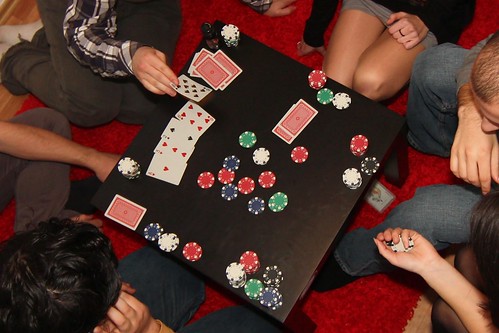
The more you gamble, the more money you risk losing. Eventually, you will find that your gambling habit is causing your bank account to haemorrhage money. This should be alarming enough for anyone to stop gambling. However, a gambling addict approaches the situation differently. You go to great lengths to convince yourself that all the lost money can be won back the same way you lost it in the first place, by gambling. This defies all logic, but that is what addiction will do to your brain.
You stop having fun and start stressing out

Most people gamble for the fun and excitement of it. It cannot be denied that few things are as exhilarating as drawing a flush or watching the roulette ball land on your number; it is the possible prospect of winning "free" money that really gets people going. However, a gambling addict has long forgotten the simple joys of gambling for fun. Instead, the exhilaration is replaced by stress and even a winning hand brings no joy since it helps a compulsive gambler recover only a tiny amount of the money lost overall.
Losing money you cannot afford to lose

As you'd imagine, gambling addiction can have serious financial consequences. If you have a gambling problem, you will find that incessant gambling starts taking a toll on other aspects of your life. After all the disposable income is spent, compulsive gamblers often start gambling with money earmarked for other important things, such as rent and car insurance. The moment you start dipping into funds reserved for the essentials, you are opening a Pandora's Box that will leave you in a serious financial hole.
Everything else seems less important

Everybody has different priorities in their lives. For some, family takes priority over everything else, while other may value their work the most. However, when gambling becomes your number one priority and everything else seems secondary, you have a serious problem on your hands. Life is about experiencing the various moments, big and small, that truly define our memories and our individuality. When all these moments seem less important than yet another hand of Poker, it is undeniable that you have a gambling addiction issue.
If you feel that compulsive gambling is an issue you are struggling against, do not hesitate to reach out to your loved ones for support and seek professional help as soon as possible.
This guest post is authored by Nancy Baker, a freelance blogger. Through her blog posts, she likes to share information related to alcohol addiction and drugs abuse. She often writes for Somers Elite Training, a company that provides Responsible Gambling Services (RGS) course online. You can catch up with her on Twitter @Nancy Baker.


 Posts
Posts


0 comments:
Post a Comment